

Mobile Crane Operator
Program Overview
The CCO Mobile Crane Operator certification is a nationally recognized and internationally accredited program developed by crane industry experts representing construction, steel erection, utilities, crane rental, petrochemical operations and other sectors. The program verifies that operators have the knowledge and skills needed to operate mobile cranes safely and competently. The program has three specialities, Lattice Boom (LAT), Fixed Cab (TSS) and Swing Cab (TLL).
Who Is a Mobile Crane Operator?
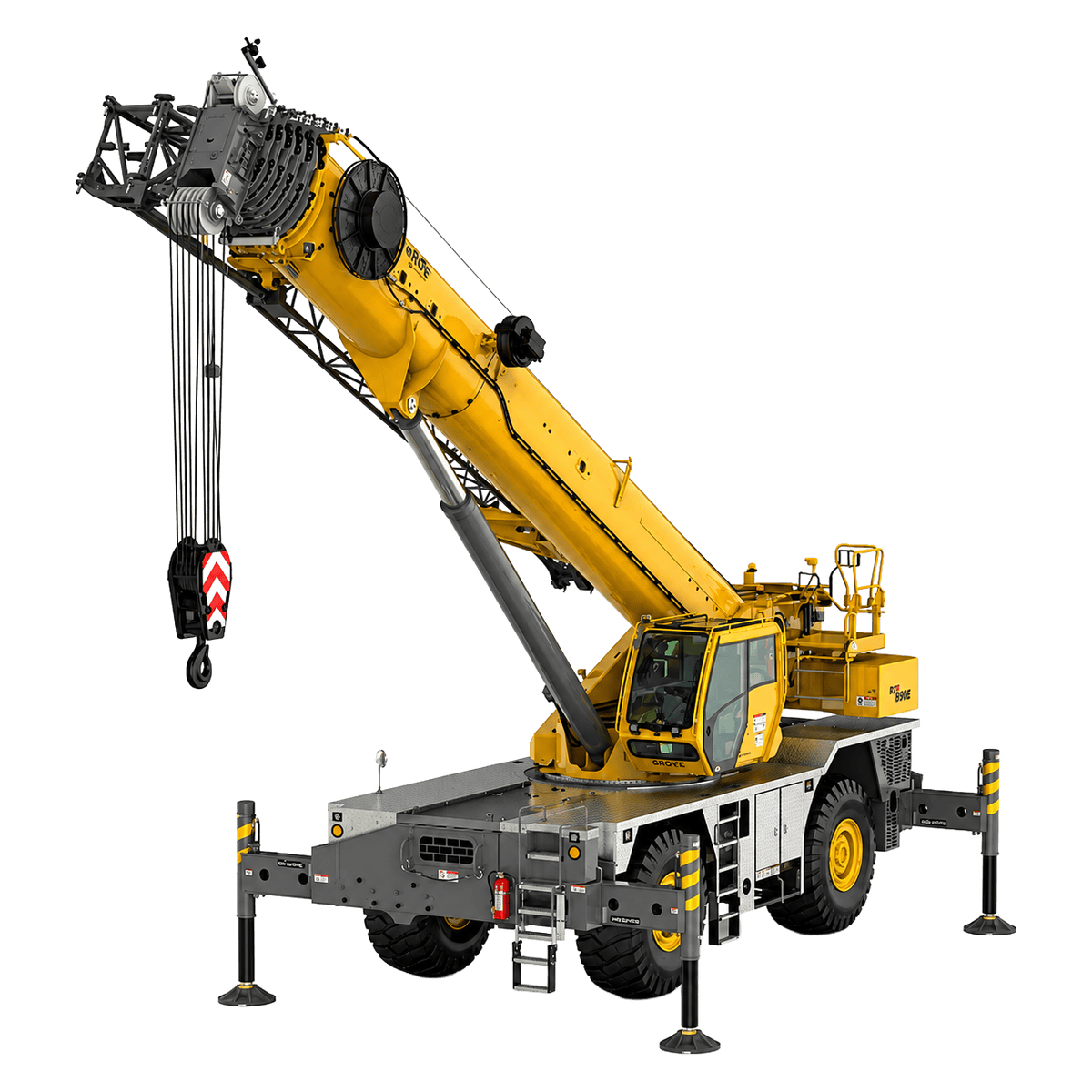
A mobile crane operator controls a truck-mounted, crawler or wheeled crane to lift, lower and move loads. Certified operators demonstrate competency in equipment setup, load handling, crane capacity, safe operating practices and jobsite hazard awareness while following applicable OSHA and ASME requirements.
|
Standard
ASME B30.5
|
Exam Format
Written + Practical
|
|
Validity
5 Years
|
Accredited by
ANAB
|
The Path to Certification
Follow these four steps to earn your CCO Mobile Crane Operator certification.
01 Confirm Eligibility
Be at least 18 years old and comply with CCO’s Substance Abuse Policy and Code of Ethics.
02 Apply Online
Submit your application and pay the exam fees through the myCCO portal.
03 Take the Written Exam
Take and pass the written exam. Choose from online proctored, event-based, or test-center testing.
04 Take the Practical Exam
Schedule with a CCO Practical Proctor to complete and pass the hands-on exam at an approved site.
Mobile Crane Specialties
Telescopic Boom Crane – Fixed Cab
TLL
Telescopic Boom Crane – Swing Cab
LAT
Lattice Boom Crane
Written & Practical Exam Content
Written
Written Exam Content
Exam Format
Core Examination: 95 multiple-choice questions • 90-minute time limit.
Knowledge Areas
- Site (20%) – Ground stability, supporting materials, power line hazards, site hazards, lift planning, and job site safety.
- Operations (26%) – Crane inspections, load handling, signaling, operator aids, emergency procedures, weather conditions, and safe crane operation.
- Technical Knowledge (28%) – ASME B30.5, ASME B30.10, OSHA 1910.180, OSHA 1926 Subpart CC, crane components, wire rope, rigging, inspections, electrical hazards, and fall protection.
- Load Charts (26%) – Load chart interpretation, crane capacity, range diagrams, parts-of-line, load calculations, and chart selection.
Exam Format
Specialty written examination for Telescopic Boom Crane – Fixed Cab (TSS) • Multiple-choice questions
Knowledge Areas
- Site (23%) – Supporting materials (mats, blocking/cribbing) • Boom assembly/disassembly (telescopic booms, extensions/jibs) • Outrigger/stabilizer selection and use • Outrigger position indicators/sensors
- Operations (23%) – Crane operation on rubber tires and outriggers • Pick-and-carry operations • Shutdown and securing procedures • Operator aids (boom length indicators, boom hoist limiting devices, luffing jib limiting devices) • Safety devices (boom stops, brake locks, jib stops) • Power flow systems • Two-block prevention procedures
- Technical Knowledge (19%) – Crane terminology and definitions • Functions, limitations, and attachments • Wire rope inspection and replacement criteria
- Manufacturers’ Load Charts (35%) – Load chart notes and specifications • Range and work area diagrams • Boom/jib erection charts • Rated capacity charts • Gross and net capacity calculations • Maximum radius determination • Maximum line pull vs. safe working load
Exam Format
Specialty written examination for Telescopic Boom Crane – Swing Cab (TLL) • Multiple-choice questions
Knowledge Areas
- Site (23%) – Supporting materials (mats, blocking/cribbing) • Boom assembly/disassembly (telescopic booms, extensions/jibs) • Outrigger/stabilizer selection and use • Outrigger position indicators/sensors
- Operations (23%) – Crane operation on rubber tires and outriggers • Pick-and-carry operations • Shutdown and securing procedures • Operator aids (boom length indicators, boom hoist limiting devices, luffing jib limiting devices) • Safety devices (boom stops, brake locks, jib stops) • Power flow systems • Two-block prevention procedures
- Technical Knowledge (19%) – Crane terminology and definitions • Functions, limitations, and attachments • Wire rope inspection and replacement criteria
- Manufacturers’ Load Charts (35%) – Load chart notes and specifications • Range and work area diagrams • Boom/jib erection charts • Rated capacity charts • Gross and net capacity calculations • Maximum radius determination • Maximum line pull vs. safe working load
Exam Format
Specialty written examination for Lattice Boom Crane • Multiple-choice questions
Knowledge Areas
- Site (23%) – Supporting materials (mats, blocking/cribbing) • Boom assembly/disassembly (telescopic booms, extensions/jibs) • Outrigger/stabilizer selection and use • Outrigger position indicators/sensors
- Operations (23%) – Crane operation on rubber tires and outriggers • Pick-and-carry operations • Shutdown and securing procedures • Operator aids (boom length indicators, boom hoist limiting devices, luffing jib limiting devices) • Safety devices (boom stops, brake locks, jib stops) • Power flow systems • Two-block prevention procedures
- Technical Knowledge (19%) – Crane terminology and definitions • Functions, limitations, and attachments • Wire rope inspection and replacement criteria
- Manufacturers’ Load Charts (35%) – Load chart notes and specifications • Range and work area diagrams • Boom/jib erection charts • Rated capacity charts • Gross and net capacity calculations • Maximum radius determination • Maximum line pull vs. safe working load
Practical
Practical Exam Content
Exam Format
Practical examination demonstrating proficiency operating a Telescopic Boom Crane – Fixed Cab. Candidates must pass both the written and corresponding practical examinations within a 12-month period to earn certification.
Skills Tested
- Task 1: Pre-Operational (Shift) Inspection – Perform a pre-use inspection by identifying inspection items and potential deficiencies.
- Task 2: Place Test Weight at Stop Circle – Lift and accurately position the test weight within the designated stop circle.
- Task 3: Follow Hand Signals – Move the load while correctly responding to standard hand signals from the examiner.
- Task 4: Place Test Weight in Corridor – Position the suspended load within the designated corridor while maintaining control and clearances.
- Task 5: Negotiate Zigzag Corridor – Maneuver the suspended load through a zigzag course while avoiding obstacles and maintaining load control.
- Task 6: Return Test Weight to Stop Circle – Accurately return the load to the designated stop circle using smooth, controlled crane operation.
- Task 7: Safe Shutdown – Properly secure and shut down the crane following safe operating procedures.
Candidates are evaluated on equipment inspection, crane setup, load handling, precision placement, following hand signals, maneuvering through obstacles, operational safety, and proper shutdown procedures. Unsafe acts may result in immediate disqualification.
Exam Format
Practical examination demonstrating proficiency operating a Telescopic Boom Crane – Swing Cab. Candidates must pass both the written and corresponding practical examinations within a 12-month period to earn certification.
Skills Tested
- Task 1: Pre-Operational (Shift) Inspection – Perform a pre-use inspection by identifying inspection items and potential deficiencies.
- Task 2: Place Test Weight at Stop Circle – Lift and accurately position the test weight within the designated stop circle.
- Task 3: Follow Hand Signals – Move the load while correctly responding to standard hand signals from the examiner.
- Task 4: Place Test Weight in Corridor – Position the suspended load within the designated corridor while maintaining control and clearances.
- Task 5: Negotiate Zigzag Corridor – Maneuver the suspended load through a zigzag course while avoiding obstacles and maintaining load control.
- Task 6: Return Test Weight to Stop Circle – Accurately return the load to the designated stop circle using smooth, controlled crane operation.
- Task 7: Safe Shutdown – Properly secure and shut down the crane following safe operating procedures.
Candidates are evaluated on equipment inspection, crane setup, load handling, precision placement, following hand signals, maneuvering through obstacles, operational safety, and proper shutdown procedures. Unsafe acts may result in immediate disqualification.
Exam Format
Practical examination demonstrating proficiency operating a Lattice Boom Crane. Candidates must pass both the written and corresponding practical examinations within a 12-month period to earn certification.
Skills Tested
- Task 1: Pre-Operational (Shift) Inspection – Perform a pre-use inspection by identifying inspection items and potential deficiencies.
- Task 2: Place Test Weight at Stop Circle – Lift and accurately position the test weight within the designated stop circle.
- Task 3: Follow Hand Signals – Move the load while correctly responding to standard hand signals from the examiner.
- Task 4: Place Test Weight in Corridor – Position the suspended load within the designated corridor while maintaining control and clearances.
- Task 5: Negotiate Zigzag Corridor – Maneuver the suspended load through a zigzag course while avoiding obstacles and maintaining load control.
- Task 6: Return Test Weight to Stop Circle – Accurately return the load to the designated stop circle using smooth, controlled crane operation.
- Task 7: Safe Shutdown – Properly secure and shut down the crane following safe operating procedures.
Candidates are evaluated on equipment inspection, crane setup, load handling, precision placement, following hand signals, maneuvering through obstacles, operational safety, and proper shutdown procedures. Unsafe acts may result in immediate disqualification.
What It Costs to Certify
The written exam has two parts: a required Core Exam, plus one Specialty Exam matching the crane type you’ll operate.
| WRITTEN EXAM – EOT, OPT & TCT FEES | |
|---|---|
| Core Exam REQUIRED | $140 |
| Telescopic Boom — Fixed Cab Specialty Exam CHOOSE ONE | $80 |
| Telescopic Boom — Swing Cab Specialty Exam CHOOSE ONE | $80 |
| Lattice Boom Cranes Specialty Exam CHOOSE ONE | $80 |
Practical Exam
Per practical exam, administered by a CCO-credentialed Practical Proctor.
$70
Fees are paid through the myCCO portal at the time of application. The Mobile Crane Operator certification requires both a written and a practical exam.
Prepare to Succeed
Candidate Handbook
Get the official Mobile Crane Operator candidate handbook which contains the exam outline, program overview, reference list, and policies. Download Handbook →
Training Providers
Find an Accredited Training Provider (ATP) or other providers near you offering Mobile Crane program training.Find a Provider →
Exam Reference Materials
See the reference materials used by Subject Matter Experts to develop exam content for this program.View Reference Materials →
Exam Prep Materials
Purchase ASME standards to help you prepare for the exam through the CCO Store.Visit CCO Store →
Ready to Get Certified?
Apply for your Articulating Crane Operator exam through the myCCO portal today.