Practical Exam Hosts

Site Requirements

Make CCO certification more accessible by hosting CCO practical exams at your facility. Establishing a test site allows candidates to test on familiar equipment while helping maintain industry safety standards through CCO Certification.

Why Become a Test Site?

  • Save Time & Money – Eliminate travel costs and downtime by testing at your own facility
  • Hold Exams on Your Schedule – Offer exams when it’s most convenient for your team
  • Streamline the Process – Conduct training and testing in one place, simplifying the certification process for employees and trainees.

What You Need to Host Practical Exams 

Hosting requires:

  • Credentialed Personnel – Your site must provide a Test Site Coordinator (TSC), Test Administration Coordinator (TAC), and Practical Exam Proctor (PEP) to oversee testing.
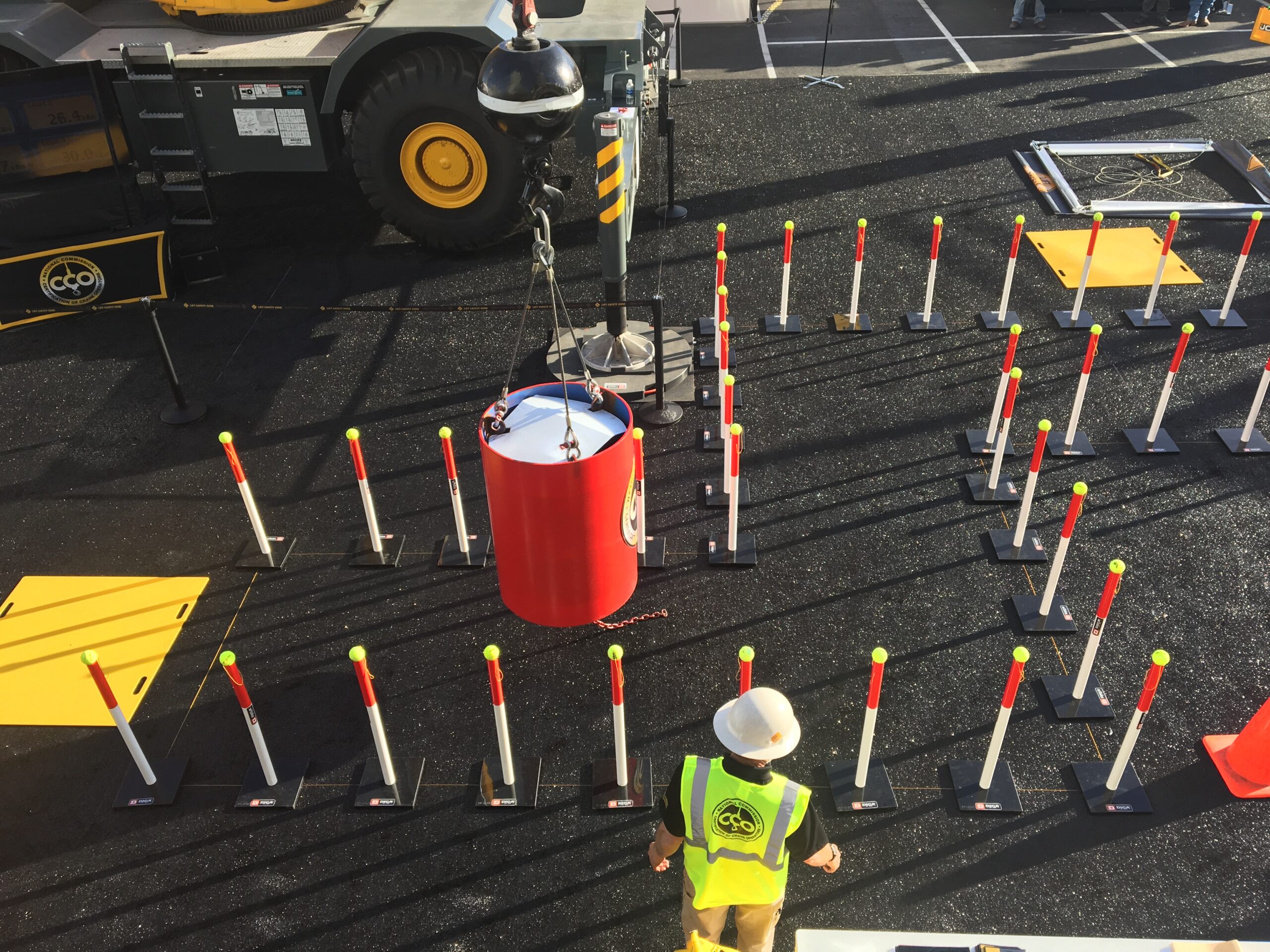
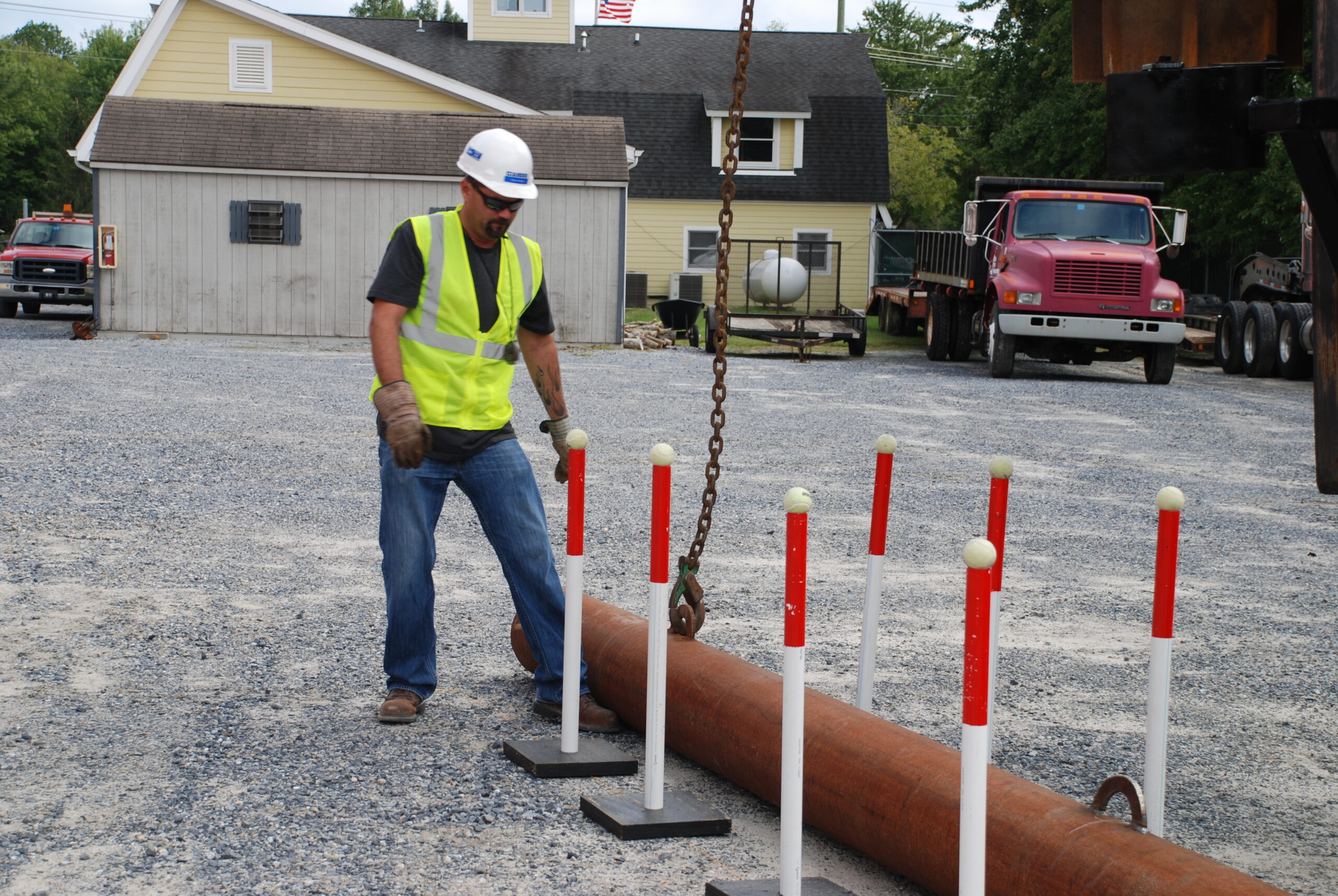
  • Equipment & Space – All load-handling equipment must comply with OSHA or ASME B30 standards. Testing areas must meet CCO’s program-specific space and setup requirements.
  • Pre-test Area – An indoor area is required for pre-test briefings. Operator exams require an outdoor test space that meets CCO’s standards.

For an overview of site and equipment requirements see the Practical Test Site Essentials document below for your program.

Get Started 

Follow these steps to establish a test site:

  1. Credential a Test Site Coordinator (TSC) – Complete training and earn a CCO credential. Learn More. 
  2. Review Site Requirements – Ensure your facility, equipment, and space meet CCO standards.
  3.  Submit Your Application – Once your TSC is credentialed, complete the application to establish your test site through their myCCO account. Approval may take up to four weeks.
  4.  Schedule Exams and Support Candidates – Begin hosting exams once approved.

For details on the Annual Site Fee and credentialing costs, visit the Fees Page.


This site is registered on wpml.org as a development site. Switch to a production site key to remove this banner.